
Leadership in the public sector and nonprofit world requires more than technical expertise. It requires the ability to communicate a vision clearly, build trust with diverse audiences, and make the case for your organization's work in rooms that hold the resources and relationships you need.
Public speaking is not a peripheral skill for leaders in this space. It is a core competency.
The Credibility Problem
Many capable leaders underinvest in their communication skills because they believe the strength of their work should speak for itself. It does not. In government hearings, foundation presentations, community forums, and board meetings, the people who can articulate their impact clearly and compellingly tend to secure more support than those who cannot — regardless of the quality of the underlying work.
This is a problem worth solving.
What Strong Presenters Do Differently
Leaders who communicate effectively in high-stakes settings tend to share a few habits:
- They lead with the audience's frame, not their own — Before explaining what they do, they establish why the audience should care.
- They use concrete examples — Abstract mission statements land differently than a specific story about a specific person whose life changed because of the organization's work.
- They practice under pressure — Not just rehearsing the content, but simulating the conditions: the hostile question, the distracted room, the shortened time slot.
- They know their numbers — And they can explain what those numbers mean to people who are not in the field.
Equity as a Communication Challenge
For organizations doing equity work specifically, communication carries an additional layer of complexity. The language of equity is contested. Audiences come with different frameworks, different assumptions, and sometimes active skepticism.
Effective equity communicators do not avoid this complexity. They navigate it by grounding abstract concepts in concrete outcomes, speaking to shared values rather than ideological frameworks, and demonstrating that equity-centered approaches produce better results for everyone — not just for the populations they serve directly.
This is a skill that can be developed. It requires practice, honest feedback, and a willingness to adapt your approach based on who is in the room.
The Organizational Payoff
When leaders communicate well, their organizations benefit in ways that compound over time. Stronger grant applications. More productive partnerships. Community relationships built on trust rather than transaction. Board members who are better equipped to represent the organization externally.
Public speaking is not just about individual performance. It is an organizational capacity.
If you are interested in developing these skills — for yourself or your leadership team — reach out to learn how Tomorrow's Workforce can help.
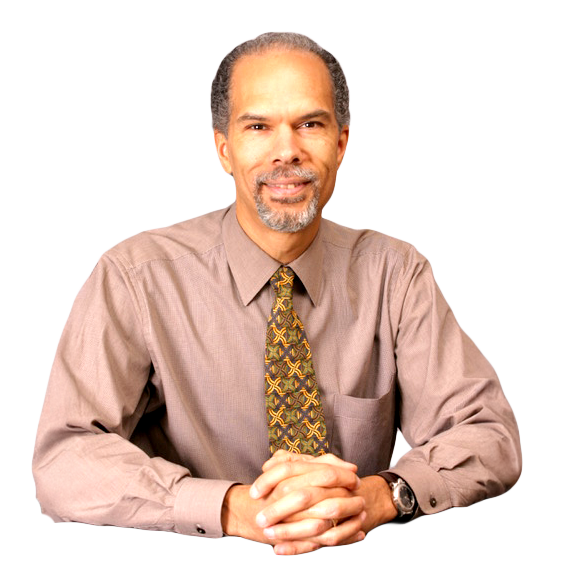
Greg Wolley brings 30+ years across government, conservation, and nonprofit leadership to equity-centered workforce development, executive coaching, and youth career education.
Connect on LinkedIn