
Equity is one of the most used — and least understood — words in workforce development today. Organizations declare it in their mission statements, feature it in job postings, and discuss it in leadership retreats. But when it comes to the actual work of building teams, hiring people, and creating career pathways, the word often stays on the wall rather than showing up in practice.
This is not a criticism. It is a starting point.
The Gap Between Intent and Practice
Most organizations that want to build equitable workforces have good intentions. They want diverse teams. They want to remove barriers. They want to create opportunities for people who have historically been excluded from their industries.
What they often lack is a structured approach to turning that intent into operational decisions. Equity-centered workforce planning provides that structure.
Here is what it involves in practice:
- Auditing current hiring and promotion patterns — Who has been hired into what roles over the last three to five years? Where do pipelines narrow, and where do they widen?
- Mapping barriers to entry — What credentials, experience requirements, and informal expectations are embedded in your job descriptions that screen out qualified candidates before they apply?
- Designing recruitment that reaches new candidate pools — Not just posting in new places, but building relationships with community organizations, workforce development agencies, and educational institutions that serve the populations you want to reach.
- Creating retention conditions — Hiring diverse talent into organizations that have not invested in belonging and support is not equity — it is a revolving door. Retention requires examining culture, management practices, and advancement opportunities.
What Changes When You Do This Work
Organizations that take equity-centered workforce planning seriously tend to see several things happen over time.
First, the talent pool expands. When you remove unnecessary barriers and build real community relationships, you start hearing from candidates who never considered your organization before.
Second, team performance improves. Diverse teams that feel genuinely included bring more perspectives to problem-solving. This is not conjecture — it shows up in the research and in the outcomes.
Third, community trust deepens. For government agencies and nonprofits especially, a workforce that reflects the communities you serve is not just good practice — it is a prerequisite for credibility.
Where to Start
If you are new to this work, the most useful first step is an honest audit of where you are today. Not where your organization aspires to be — where it actually is. That baseline is the foundation for everything that follows.
Tomorrow's Workforce works with organizations at every stage of this process — from initial assessment to strategy development to implementation support. If you are ready to move from intent to practice, get in touch to start the conversation.
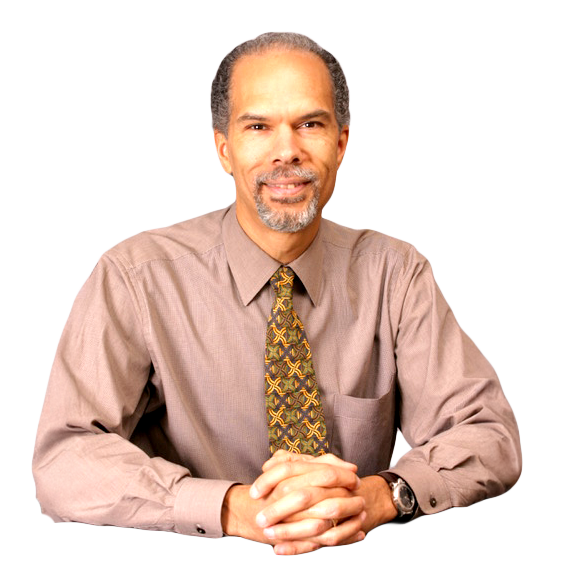
Greg Wolley brings 30+ years across government, conservation, and nonprofit leadership to equity-centered workforce development, executive coaching, and youth career education.
Connect on LinkedIn